Game Designer & Level Designer working across
PC, mobile, social, browser, and VR.
5
Shipped Games
5+
Years of Experience
100+
Levels Designed
//Featured Gamedev Work
KABOOM (2026)
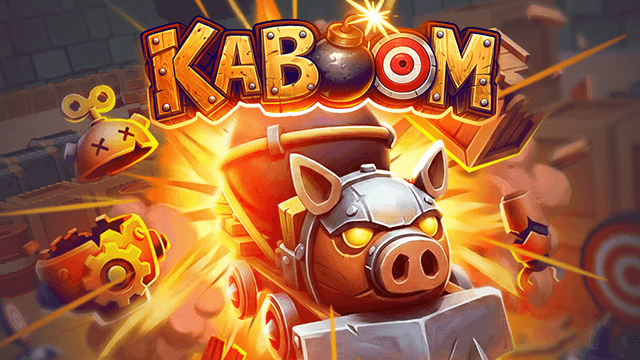
Physics based destruction puzzle game focused on UGC content, where players can create and share explosive sandbox levels.

Fire & Rescue (2025)
A co-op multi-platform (VR, iOS, Android, Browser) action game where players work together to battle intense fires across chaotic emergency scenarios. Manage firefighting equipment and react quickly in fast paced and teamwork oriented multiplayer missions.

Little Sim World (2024)
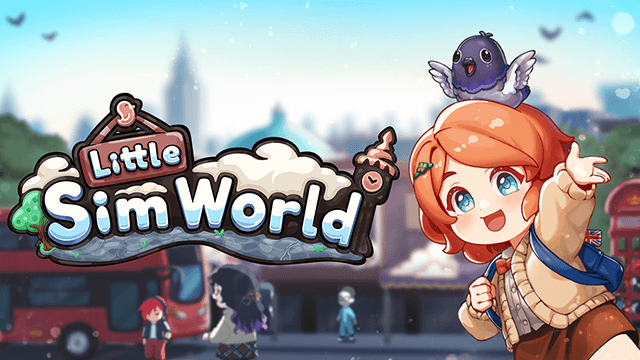
A cozy 2D life simulation game where you build your dream life in the charming city of Little London. Customize your home, meet quirky locals, develop skills, and shape your daily routine in a relaxing open world full of personality and stories.

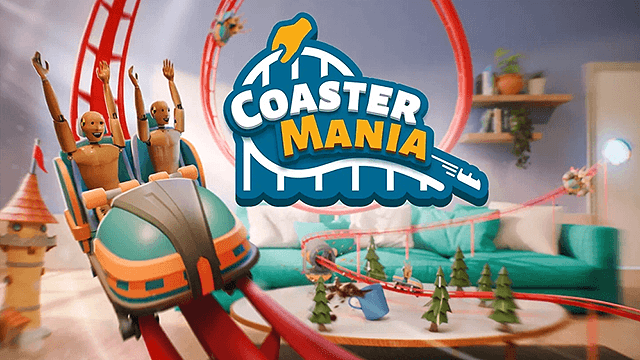
Coastermania (2024)
A mixed reality rollercoaster building game where players create, ride, and share custom coasters in their own space. Features a single player campaign with more than 50 puzzle levels as well as a creative mode.

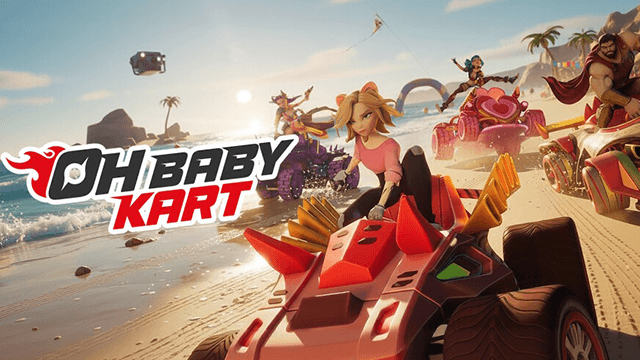
Oh Baby Kart (2023)
A fast paced arcade kart racer featuring drift powered abilities, over 100 customizable karts, and chaotic multiplayer action. Race through unique modes, complete over 100 challenges, and master explosive ultimates in competitive online races.

//Complete Ludography
MiniQuest (2012)
A 2D room based platformer with beautiful Pixel-art graphics where it takes speed, skill,
and fast reactions to beat each level in as little time as possible.

Ninja Sequence (2012)
A 2D Puzzle Platformer where you have to predefine the direction in which the ninja will
move in order to avoid obstacles, collect the dragon rings and complete each level.

Invertion (2011)
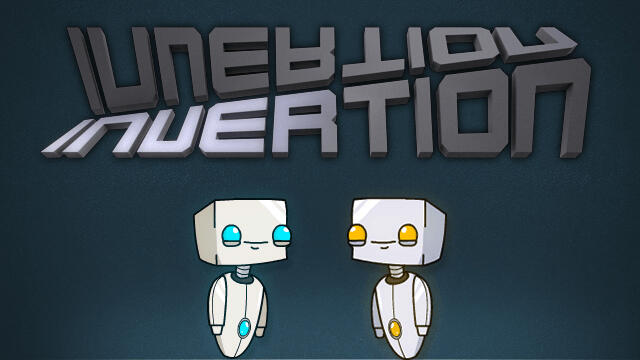
A challenging puzzle platformer where you guide a robot through deadly experiments and escape rooms created by an evil AI. Using clone mechanics and clever environmental puzzles, players must navigate traps, obstacles, and gravity inspired challenges in a dark sci-fi setting.

//Featured Video Work
//GAME TRAILERS

Tower of Myths (2024)
A fantasy adventure created for The Sandbox metaverse. As part of the marketing team, I edited the official promotional video and created motion graphics that showcased the game's world, features, and atmosphere.


The Battle Myths NFT Collection (2023)
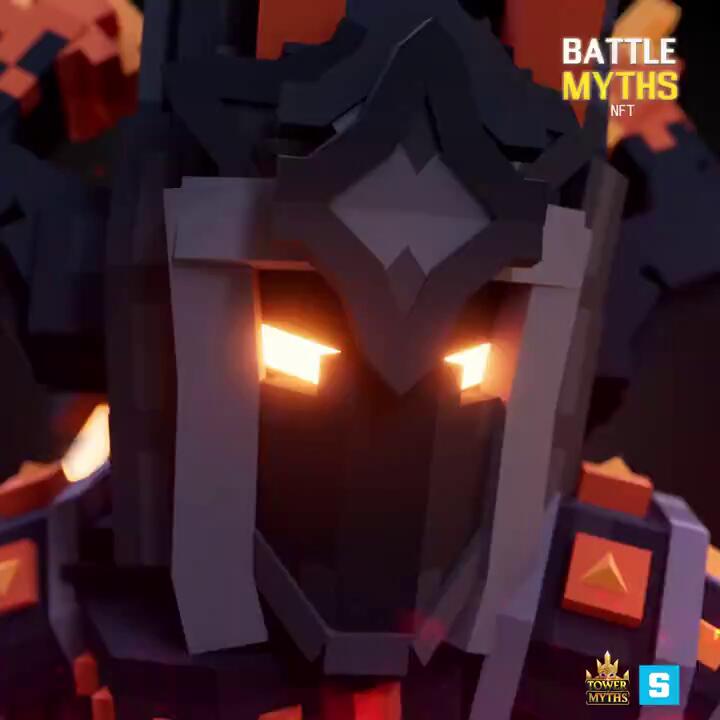
Promotional video created to showcase a fantasy themed NFT Armor collection that is part of Tower of Myths. I handled the video editing and motion graphics, producing dynamic visuals that highlighted the voxel art detail, pieces, and unique identity of the armor sets for marketing and community engagement.

Exorcist Reborn Trailer (2022)
A 3D Metroidvania adventure built for The Sandbox metaverse. I edited the promotional trailer and created motion graphics that showcased the game's exploration, combat, and dark fantasy atmosphere as players joined Exorcist Kai Bamone in the fight to save humanity from invading demons.


Kai's Nightmare Trailer (2022)
A psychological horror puzzle experience set in The Sandbox metaverse. I edited the promotional trailer including motion graphics that captured the game's unsettling atmosphere, mysterious storytelling, and immersive journey through Kai's subconscious.


Exorcist: Cthulhu's Nightmare Trailer (2022)
A reverse tower defense, where players command Cthulhu's legions to overwhelm human defenses. Set on the eerie Argencove Island, the game blends Lovecraftian horror with strategic gameplay, challenging players to corrupt, conquer, and unleash cosmic chaos.


Sombras Ancestrales Trailer (2022)
A real time deck building mobile game where players take on the role of an exorcist sealing terrifying creatures. Explore procedurally generated maps inspired by Colombia's iconic landmarks while building powerful card combinations and mastering pattern based combat.


Evil Glitch (2017)
A fast paced 2D shoot'em up where players battle waves of alien creatures and massive bosses across retro inspired environments.

//SHORT FORM MEDIA
//LONG FORM MEDIA
//PODCASTS & LIVESTREAMING
//AUDIOGRAMS
//About Me
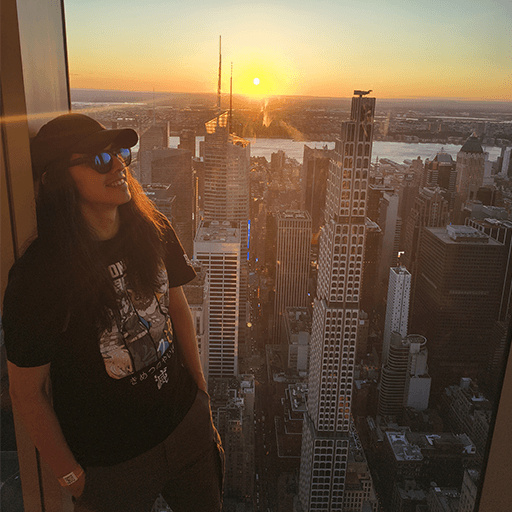
Hi, I'm David.
A game and level designer based in Colombia.
If you're here, you probably want to know more about me... Well, I've been making games since the Golden Age of Flash back in 2009. My first published game was Falling Debris.I also studied audiovisual arts, which eventually pulled me into video editing and production for a while. That background still influences the way I think about visual storytelling in games.Outside of game development, I enjoy playing modern indie games, retro games, watching movies and traveling. A lot of the things that inspire me usually come from those hobbies.
//Reach Out
Let's create something awesome!
Kaboom is a physics based destruction puzzle game where players guide an explosive battle pig through handcrafted levels, destroying targets in as few attempts as possible.Kaboom began as an idea by Alex Meyer, which later grew into a collaboration between Alex, Anthony Maitz and myself. Together, we shaped the concept into the game it is today.One of Kaboom's core pillars is UGC. Built for Reddit Games, the game is playable on both desktop and mobile, allowing players not only to complete the campaign but also to create, share, and play community made levels through a robust in game level editor.
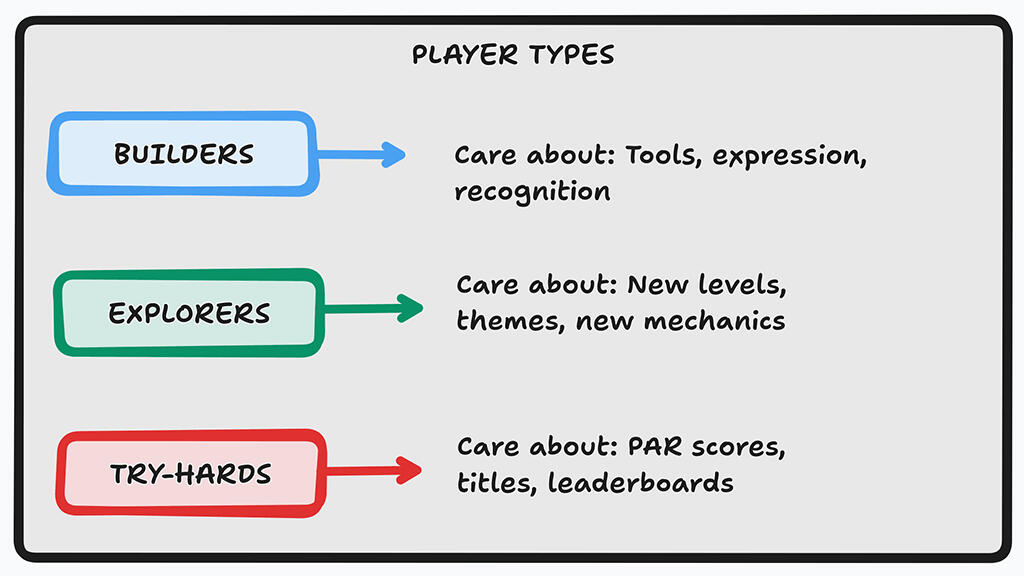
My first responsibility on Kaboom was Game Design. I began by researching different player archetypes to define the types of players the game should appeal to and how we could support each of their motivations.
After establishing our target player profiles, I designed many of the game's interactive elements, including the level editor objects and the different bomb types the battle pig could equip.
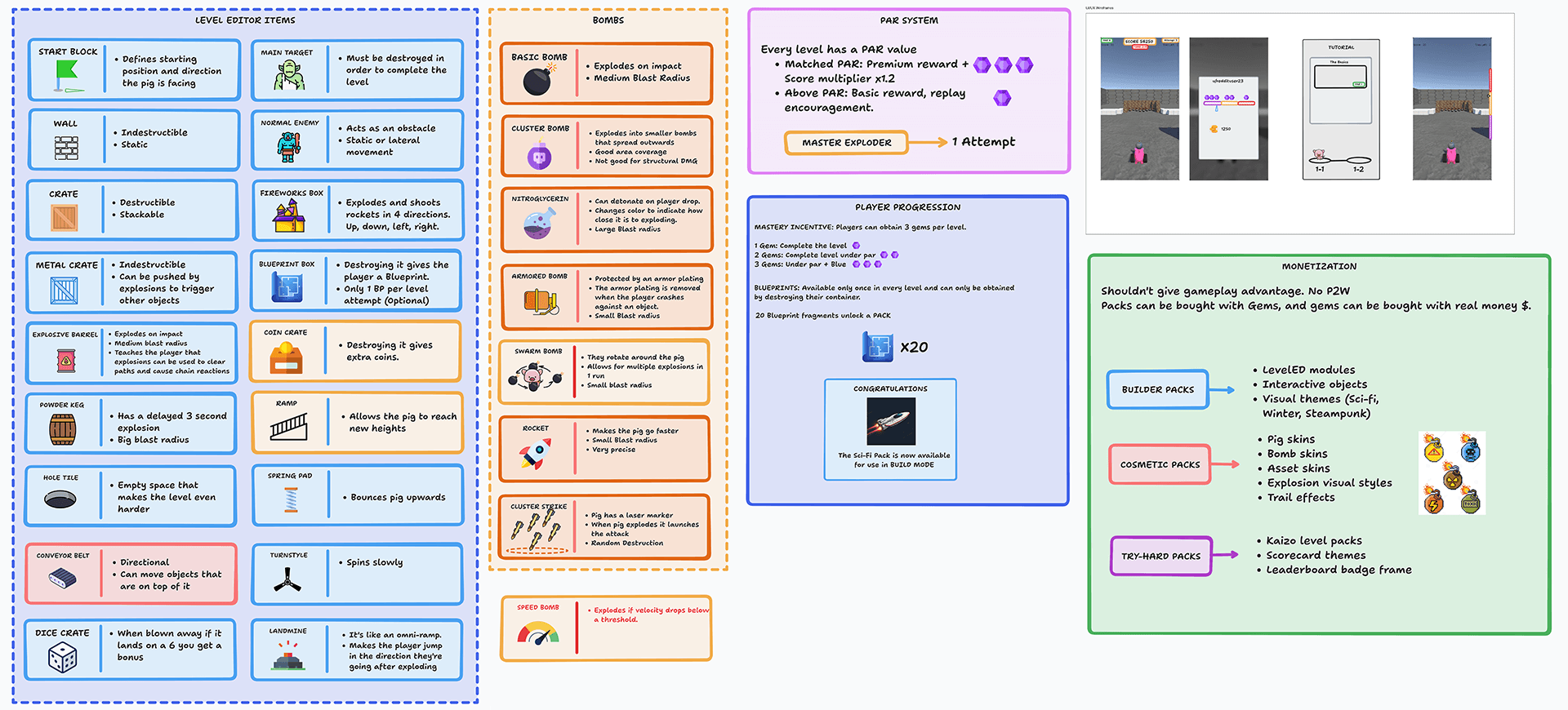
As development progressed, we defined the game's progression system. We decided to introduce players to a limited set of mechanics through an initial, straightforward campaign that also served as the FTUE. Completing this first set of levels rewarded players with expansion packs, each introducing a new gameplay mechanic through its own themed level set.Unlocking an expansion pack also made that mechanic available inside the level editor. As players progressed through the campaign, they gained access to increasingly complex creation tools, allowing them to build more sophisticated levels of their own. This progression created a strong gameplay loop that naturally encouraged players to transition from playing levels to creating them.Once the core gameplay loop was solid, I shifted my focus to Level Design.Designing levels for Kaboom presented an interesting challenge because every level had to fit within a fixed 50 × 50 grid, regardless of its complexity. Working within that constraint pushed me to find creative solutions and maximize the gameplay possibilities of a very limited space.
Over the course of development, I designed more than 50 campaign levels using a level editor that evolved continuously with the game.
To maintain consistency across the campaign, I also developed a set of internal "Level Design Laws" that guided every level I created. Some of the principles included: Making goals visible from level previews/thumbnails, rewarding destruction, using all available space and ensuring clarity of chain reactions.
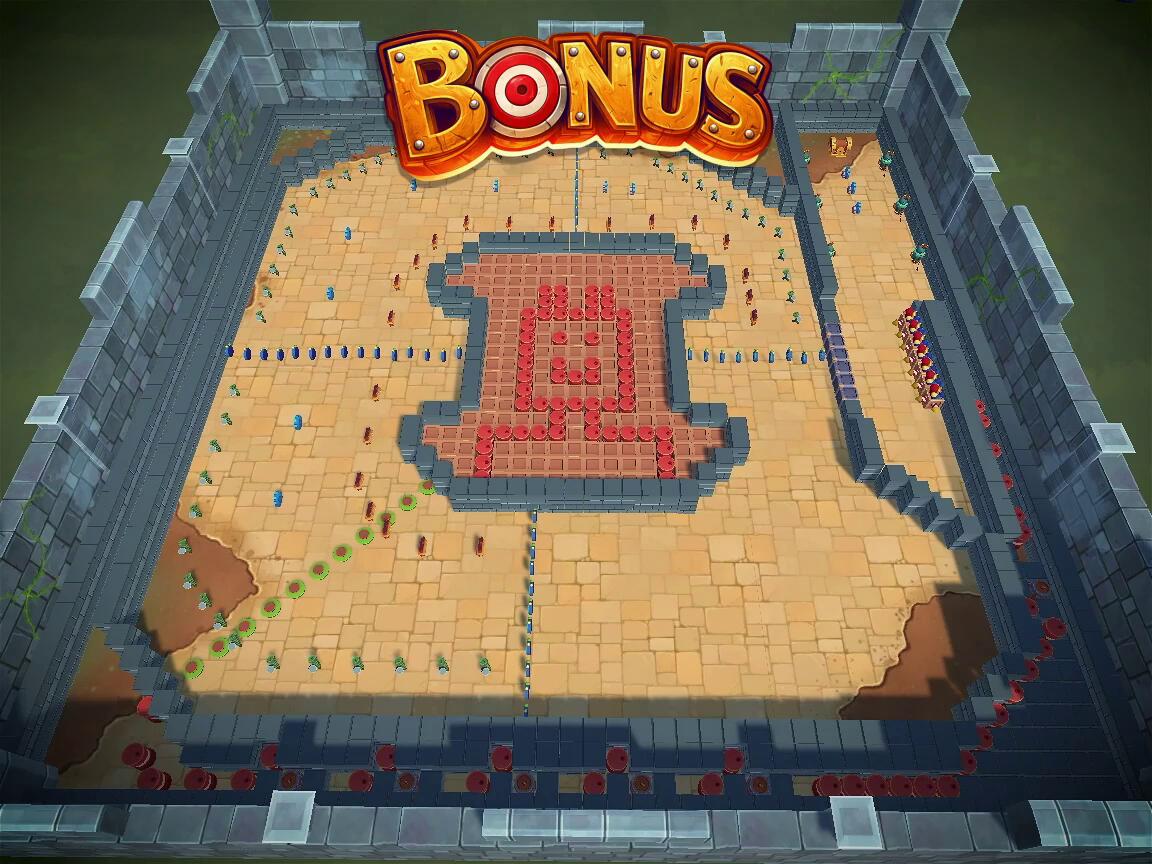
The final contribution I made to Kaboom was producing gameplay capture directly from Unity for promotional videos, marketing assets, and several media pieces showcasing the game's Bonus Levels.
This portfolio entry contains materials related to my work for ForeVR Games. All project assets and intellectual property remain the property of their respective owners.



One of my first assignments at ForeVR Games focused on improving Fire & Rescue's Day 7 (D7) retention. The team's goal was to increase player engagement throughout the week by giving players meaningful reasons to return every day.To begin, I broke down the player's engagement loop across different time scales, from individual sessions to daily, weekly, and long term progression. Mapping out these motivations helped identify several opportunities where the experience could encourage repeat play.

After brainstorming multiple solutions, I designed an in-game Rewards Board that encouraged players to stay engaged during each session while also rewarding consistent daily play. Players earned increasingly valuable rewards the longer they played, with additional bonuses for returning on consecutive days, culminating in a larger reward at the end of the week.
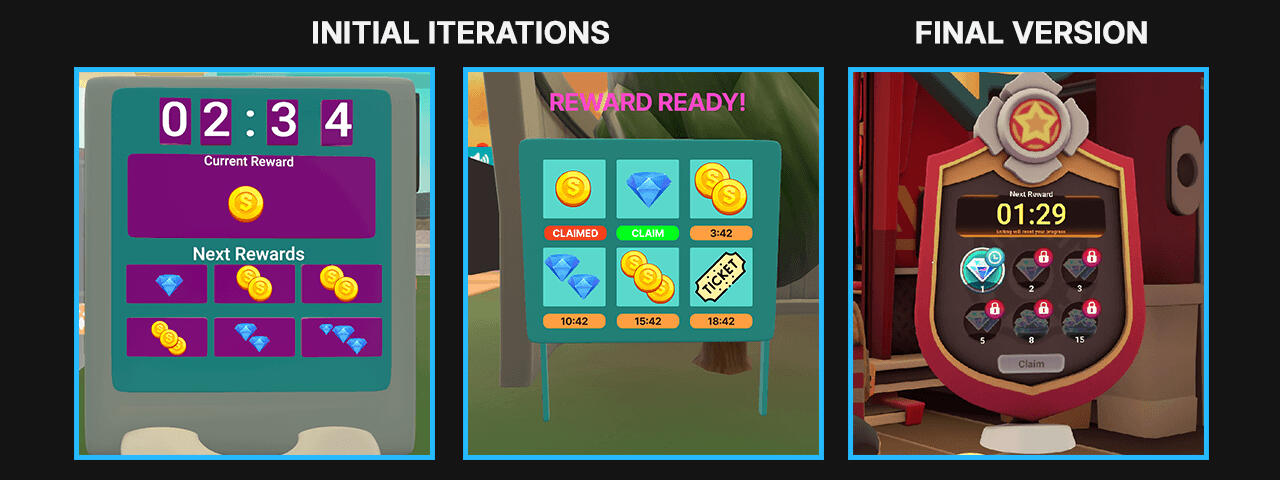
Working closely with the programming team, we developed an initial implementation of the system. Through multiple rounds of testing, balancing, and iteration, we refined the feature until it was ready for release. The final Rewards Board was integrated into the game's hub, positioned next to the fire truck where every session begins, making it immediately visible and accessible to players.
After completing my work on retention, I transitioned into working in Level Design. This is when all the technical constraints and challenges of the Meta Horizon Worlds platform really hit me! Since Horizon Worlds uses its own proprietary engine and editor, I had to learn a new development environment very quickly. In addition, the game was designed to support VR, mobile, and browser players simultaneously, meaning every level had to provide a great experience regardless of platform.Designing for 3 different control schemes required consideration of accessibility and player comfort. For example, I intentionally avoided excessive verticality and fast enemies, as these required frequent camera adjustments that felt uncomfortable in VR and placed mobile players at a disadvantage. Instead, I focused on level layouts that remained readable, comfortable, and enjoyable across all supported platforms.The levels I designed for F&R were:
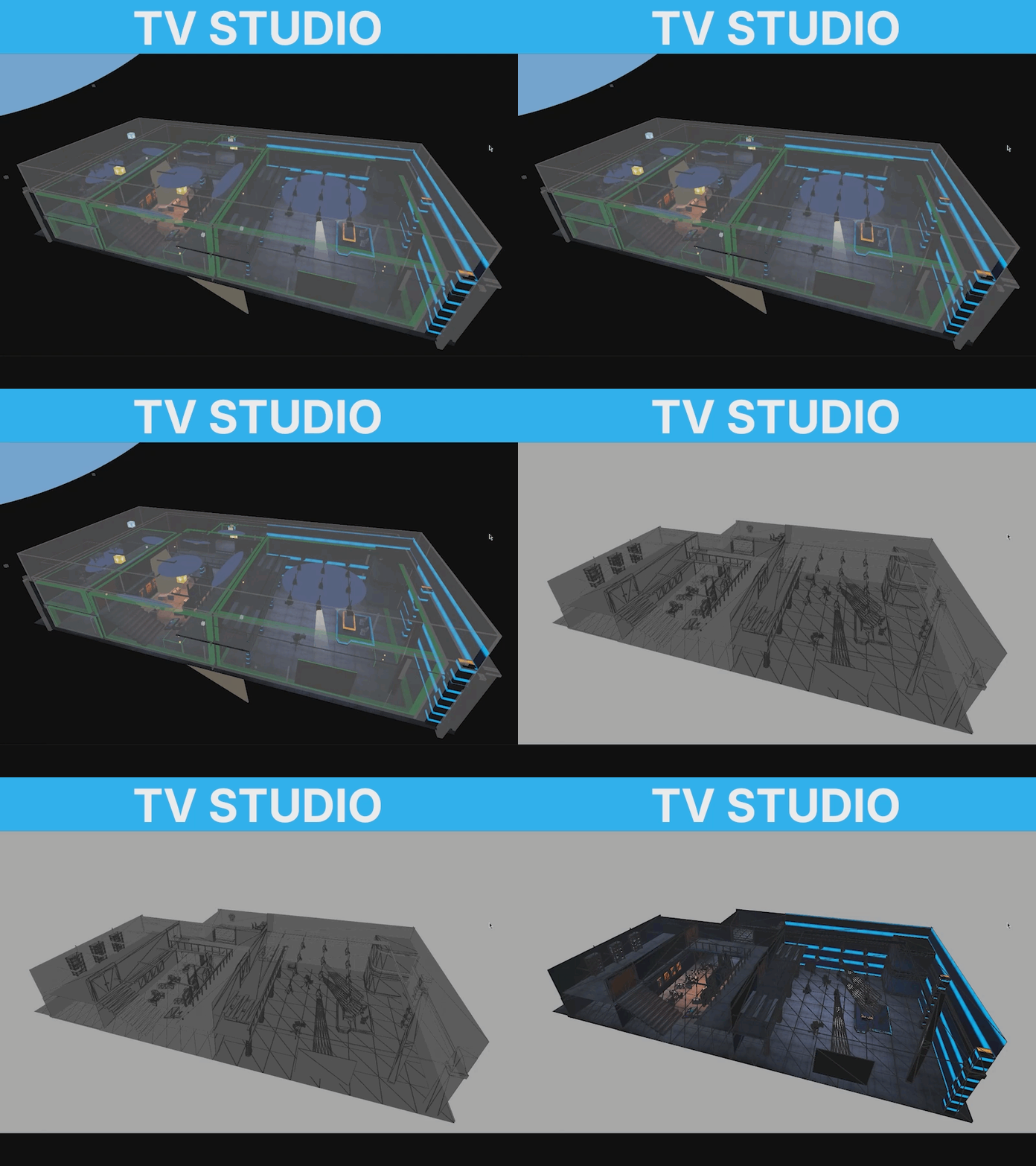
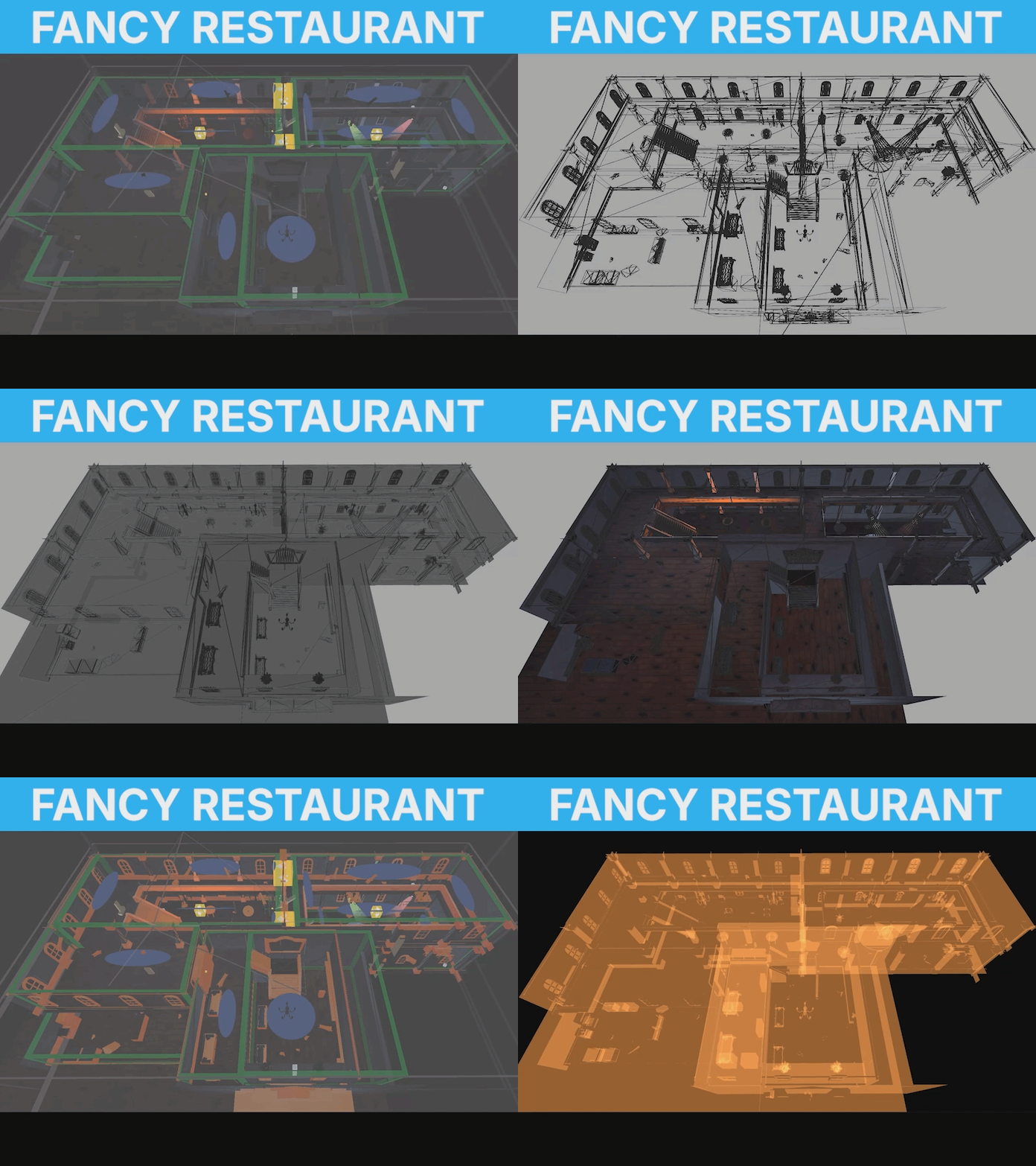
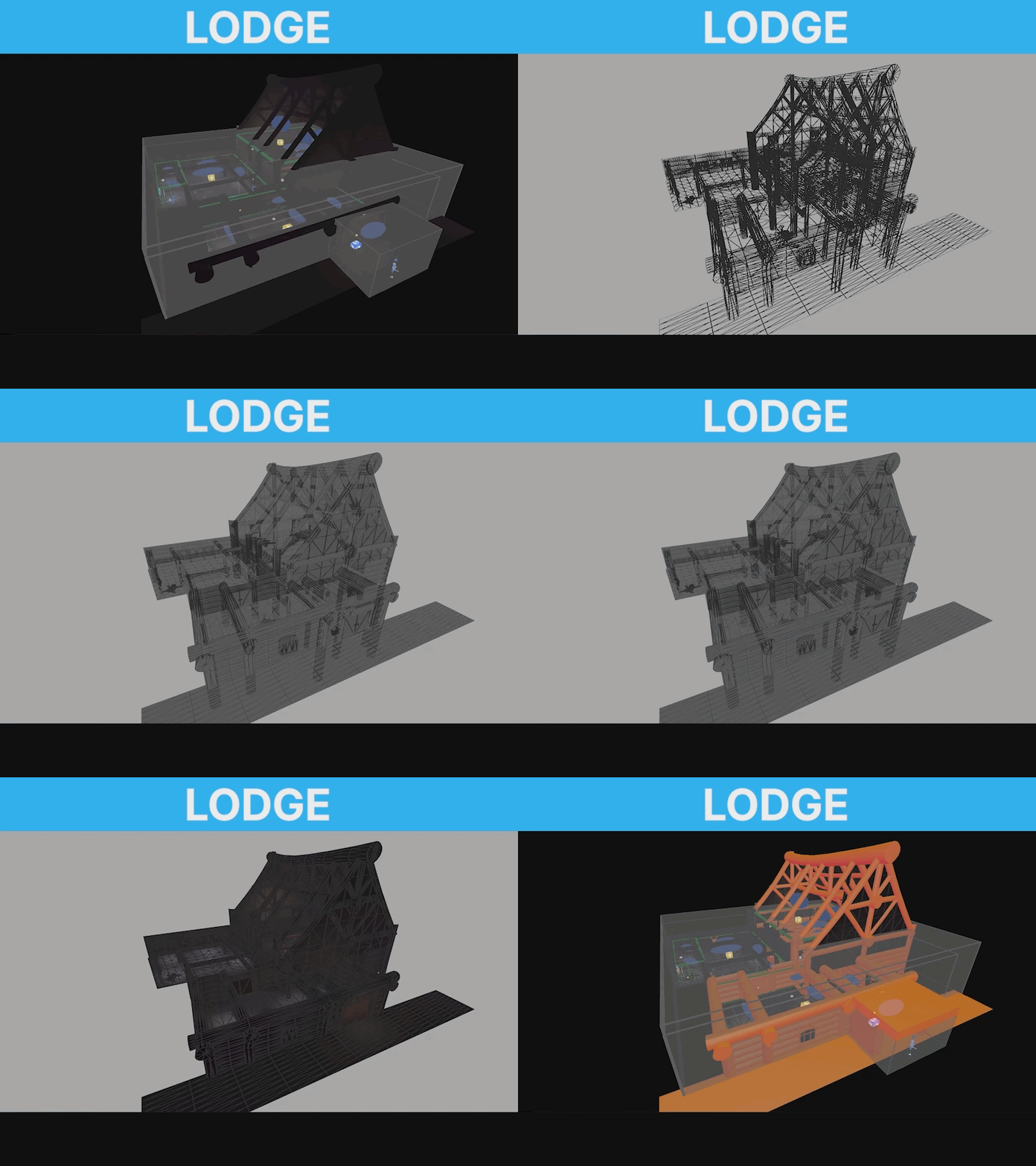
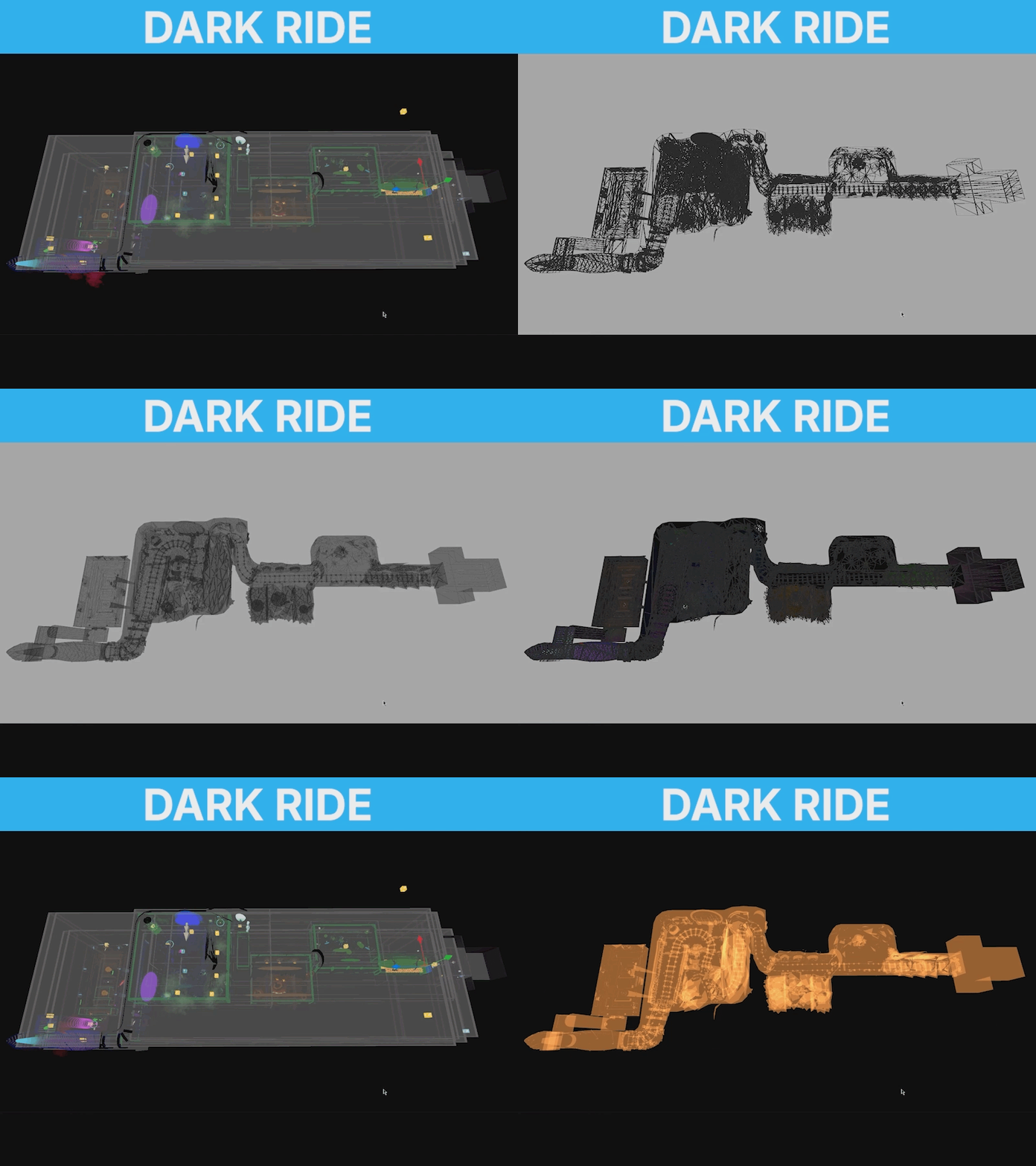
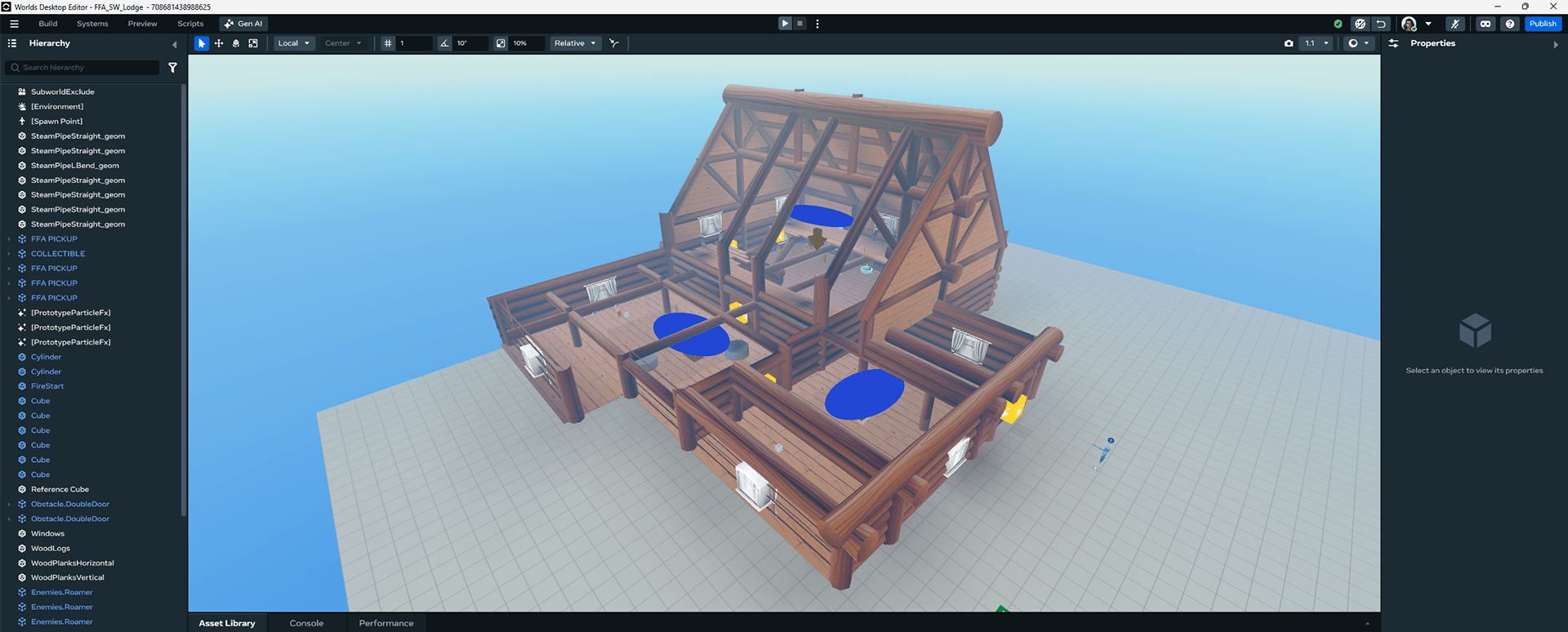
Each level presented its own design challenges and opportunities. Whether I was building around a gameplay mechanic, creating memorable set pieces, or adapting the layout to fit a specific theme, my goal was always to deliver fun gameplay beats while maintaining clear navigation, pacing, and strong co-op gameplay.Working across these environments also helped me develop a deeper understanding of how level design, combat encounters, and environmental storytelling come together to shape the player's experience.
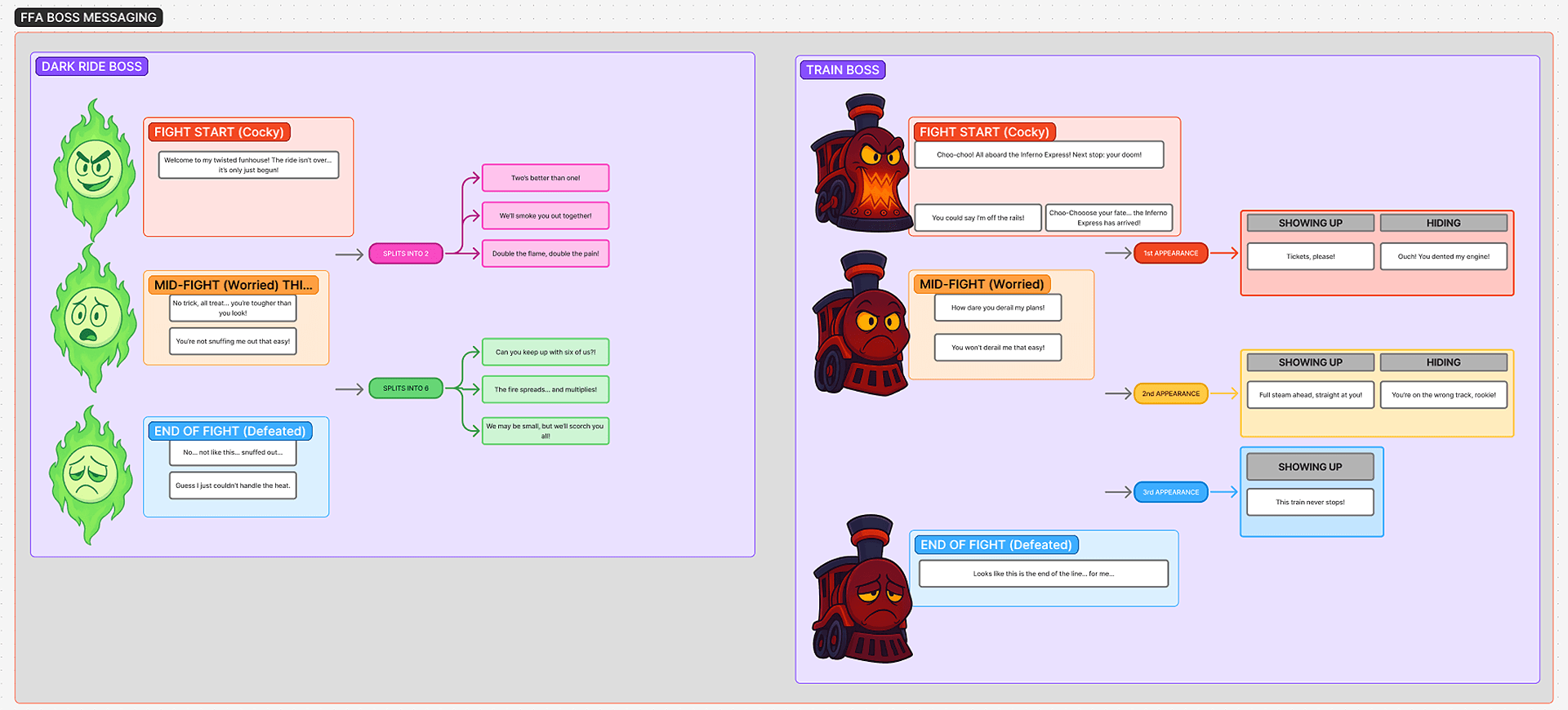
Now...let me show you what I did on Boss design.For the Halloween event, the team wanted to introduce boss encounters, giving me the opportunity to do Boss Design.I began by grayboxing several boss arenas and prototyping mechanics. This early exploration resulted in five different boss concepts, each testing a different gameplay idea while remaining possible within constraints.
After evaluating each concept, the strongest option was a combination of two prototypes: a splitter style boss and a hallway encounter. To communicate the idea, I created a playable proof of concept using the game's existing mechanics and scripting systems. This prototype demonstrated the encounter's pacing, progression, and overall gameplay flow through a gameplay video featuring a placeholder boss I called "Ignito Jr."
Following team feedback and further iteration, the concept was approved for production as the final encounter of the Dark Ride level. During development, we decided to simplify the design by removing the hallway component, as the level already had a bunch of traversal sections. Instead, we focused on refining the splitter mechanic while introducing a unique twist: Ignito Jr. would move and attack from the ceiling of an inverted room, creating a memorable finale that also presented an interesting technical challenge for the programming team.
A final reflection...My time at ForeVR Games allowed me to contribute across several areas of game design, from player retention systems and progression design to level design and boss encounters. Working on a live, cross platform title taught me how to balance creative ideas with technical constraints, iterate through collaboration, and design experiences that work for a wide variety of players.Most importantly, I had the opportunity to work alongside an exceptionally talented and professional team. I'm proud of the work we accomplished together and of the content I was able to contribute to the different projects.
This portfolio entry contains materials related to my work for ForeVR Games. All project assets and intellectual property remain the property of their respective owners.

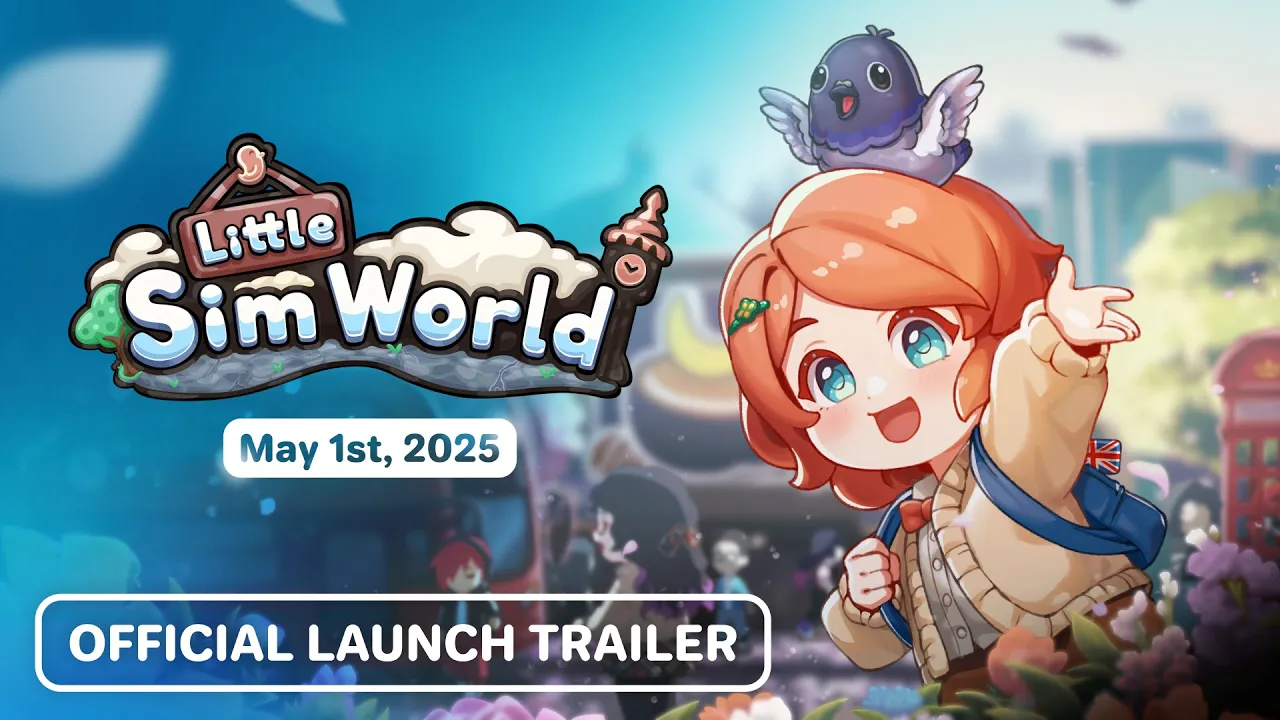


Working in Little Sim World was quite an experience. I had the chance to collaborate with a narrative design team made up of writers from Serbia, Brazil, and Argentina, which led to plenty of interesting conversations, different creative perspectives, and even a small introduction to Serbian culture... Јебем ти краставац!That same collaborative spirit could be felt throughout the entire project, especially in the work of illustrator Soo A. Yoo. Her artwork gave the residents of Little Sim World lots of personality and charm, and it served as a reference that made it easier to imagine how these characters would think, speak, and interact with the player.

My primary responsibilities focused on quest development and narrative design, particularly writing NPC dialogue that supported the game's storytelling and worldbuilding.One of my earliest narrative assignments was writing all of the interaction dialogue for E.M.A. (Easy Medicine Automaton), a medicine vending machine located outside the LetsGo Market. The challenge was quite tricky... I had to find a way to make a vending machine feel charming, memorable, and believable.
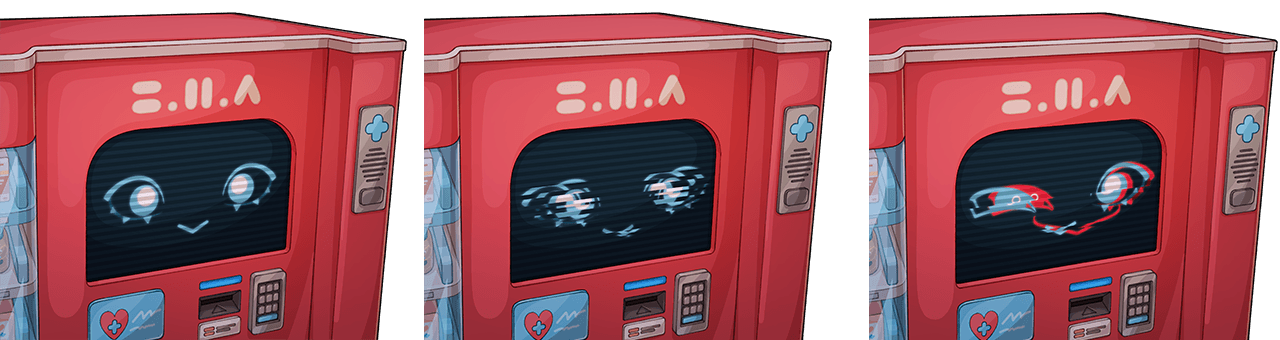
Something fun about writing E.M.A. was that the character had four different states throughout the game:
| ID | Status | Relationship with player |
|---|---|---|
| 0 | Damaged | Stranger |
| 1 | Semi-repaired | Acquaintance |
| 2 | Fully repaired | Buddy |
| 3 | Malfunctioning | Evil |
Each state let her dialogue change with player progression, changing her tone, personality, and behavior depending on her condition and relationship with the player. It was a really flexible setup to work with, and it gave me room to experiment with how she could come across in different moments.
While E.M.A. was my earliest narrative assignment, she was far from the only character I worked on. Little Sim World features over 20 major NPCs, each designed to feel like a real part of the community rather than just a bunch of quest givers.
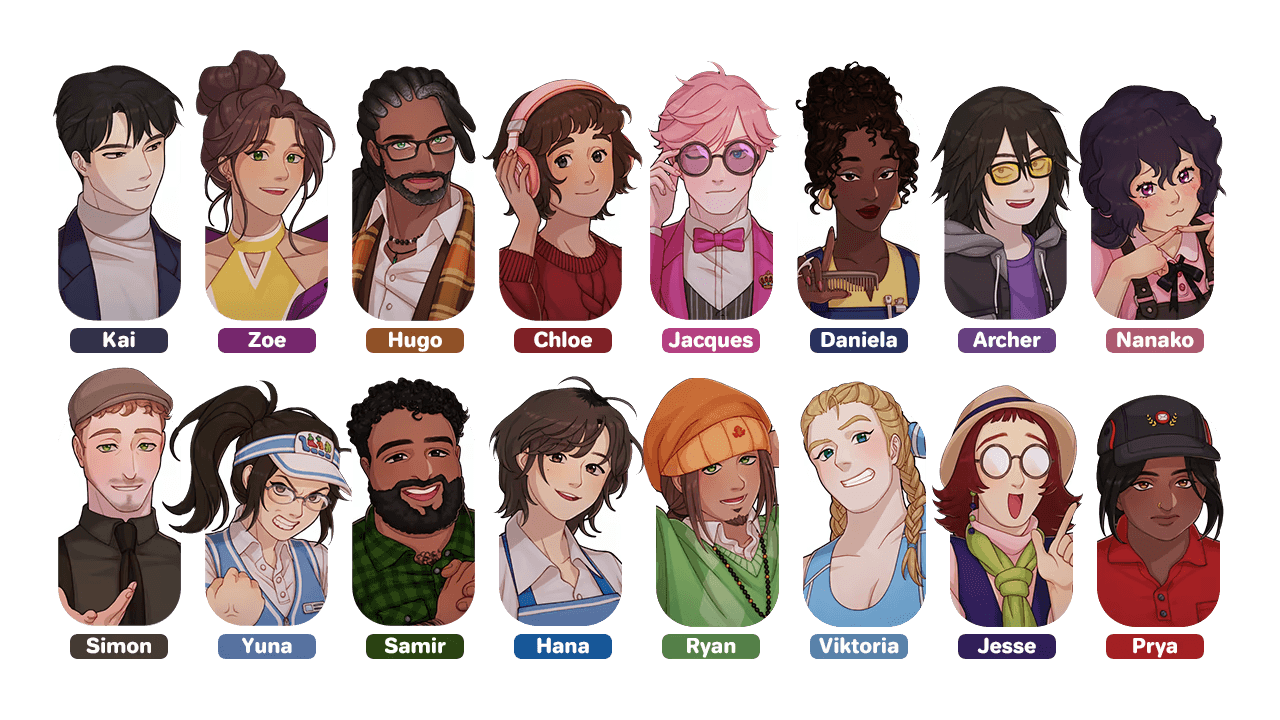
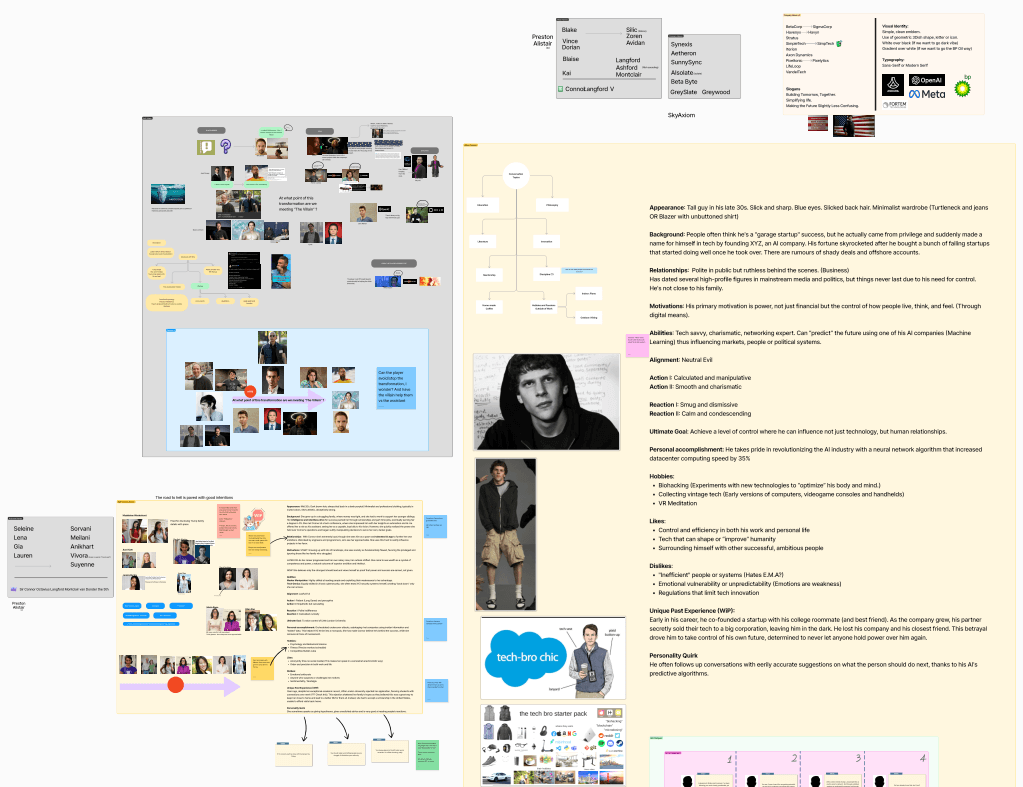
To keep everything consistent across the cast, the narrative team used what we called Character Dossiers. These documents defined each resident’s archetype, background, personality, and speaking style, and they evolved over time as we learned more about the characters during development. They became a useful reference point for making sure dialogue stayed consistent to the experiences and relationships the characters went through.
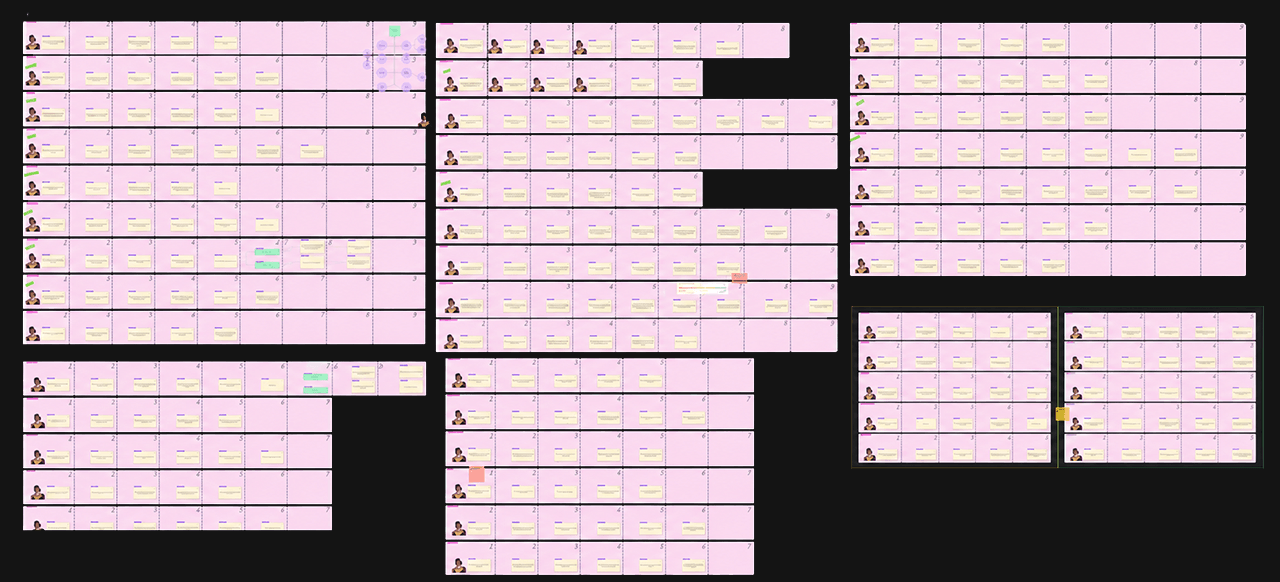
While I occasionally contributed dialogue and narrative content across almost the entire cast depending on quest needs or specific situations, I primarily worked on Archer, Nanako, Chloe, Viktoria, Samir and Zoe. My responsibilities included character dialogue, quest conversations, ambient interactions, and helping ensure each character maintained a consistent voice throughout the game.
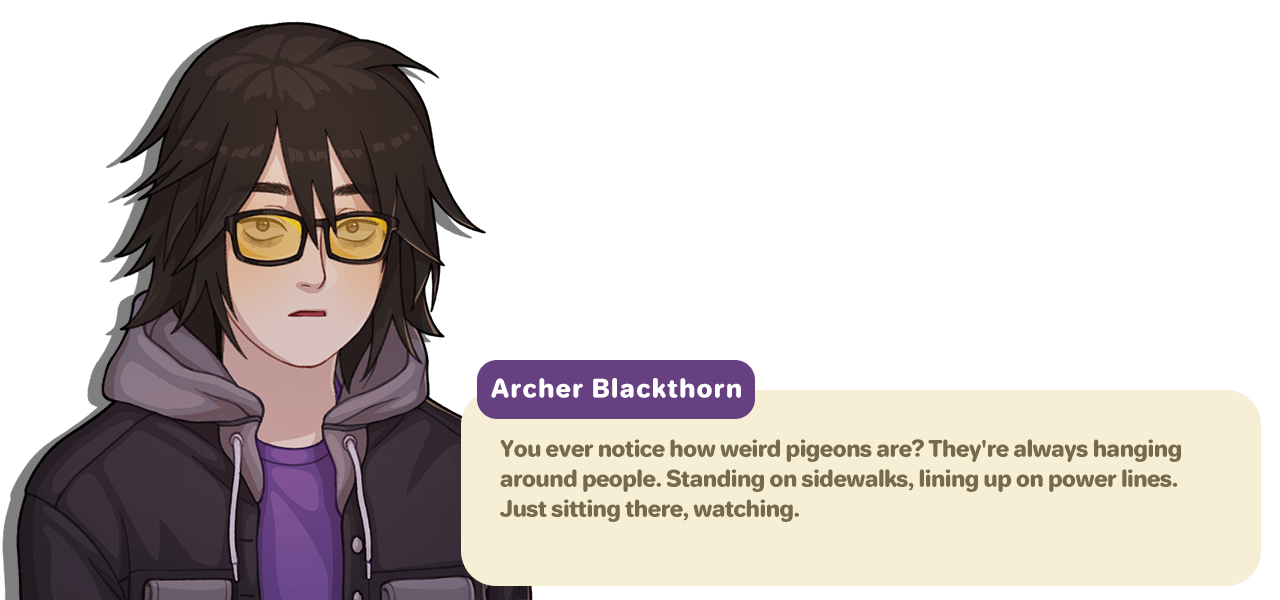
One of the strengths of the narrative team was how flexible the writing process became. Every narrative designer developed a strong understanding of the characters, their voices, and their motivations, which meant we could comfortably jump between characters when needed. This helped keep development moving while preserving consistency in how each character was written.Having said that... you know every writer develops their favorites over time! The more we worked with a character’s background, relationships, and personal struggles, the easier it became to connect with them creatively.For me, the characters I most enjoyed writing were Archer, Nanako, and Zoe.Archer was fun because he was the kind of person who spent too much time online, consuming conspiracy theory podcasts and falling down internet rabbit holes. His dialogue made it easy to lean into humor, specially when balancing absurd ideas that had some sense of believability.
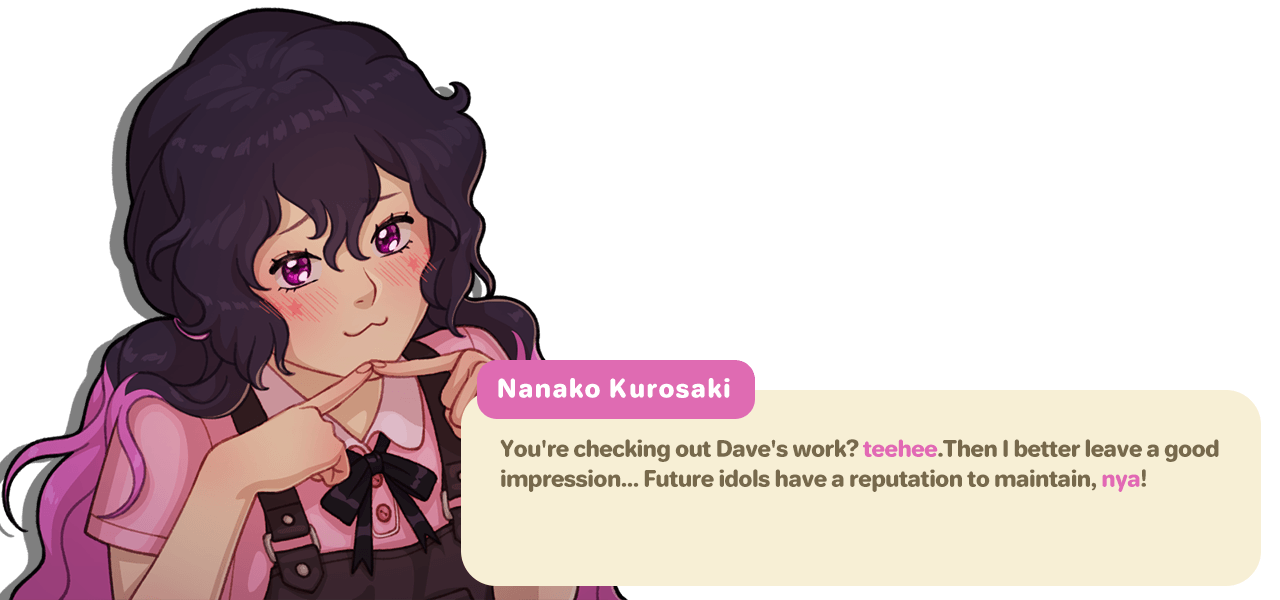
Nanako was at the opposite side of the spectrum. She is optimistic, overwhelmingly sweet, and very energetic. Writing her dialogue was always entertaining because it was a balancing act between making her charming and just a little bit annoying in the most endearing way possible.
Zoe was the last character I worked on. As one of the game’s romanceable NPCs, she brought a very different energy to the cast. As an Australian fitness influencer known for her drive, she gave me the opportunity to explore a confident, motivated voice and a character whose personality evolves alongside the player’s relationship with her.
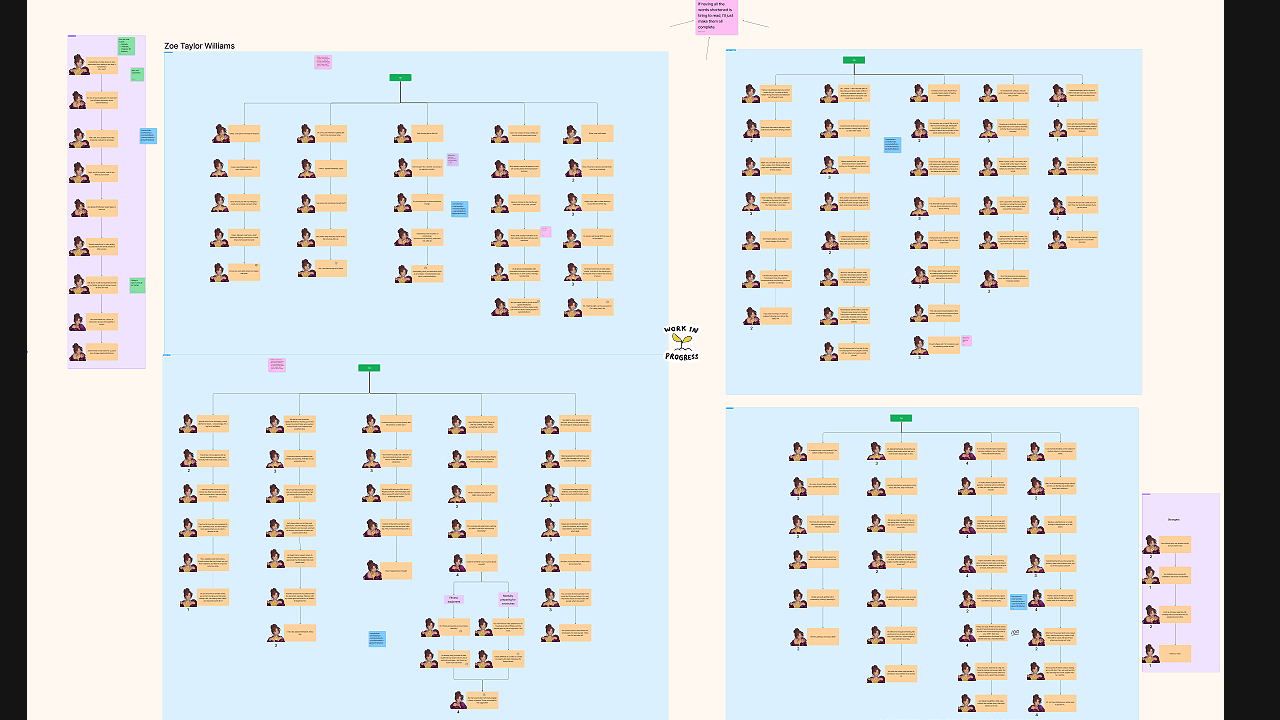
While character writing was part of my work on LSM, it was only one aspect of my contribution. I was also involved in quest design, creating content that connected narrative, gameplay, and player progression. This included designing quest flows, scripting events, defining objectives, and ensuring that quests integrated smoothly with the game's systems and world.
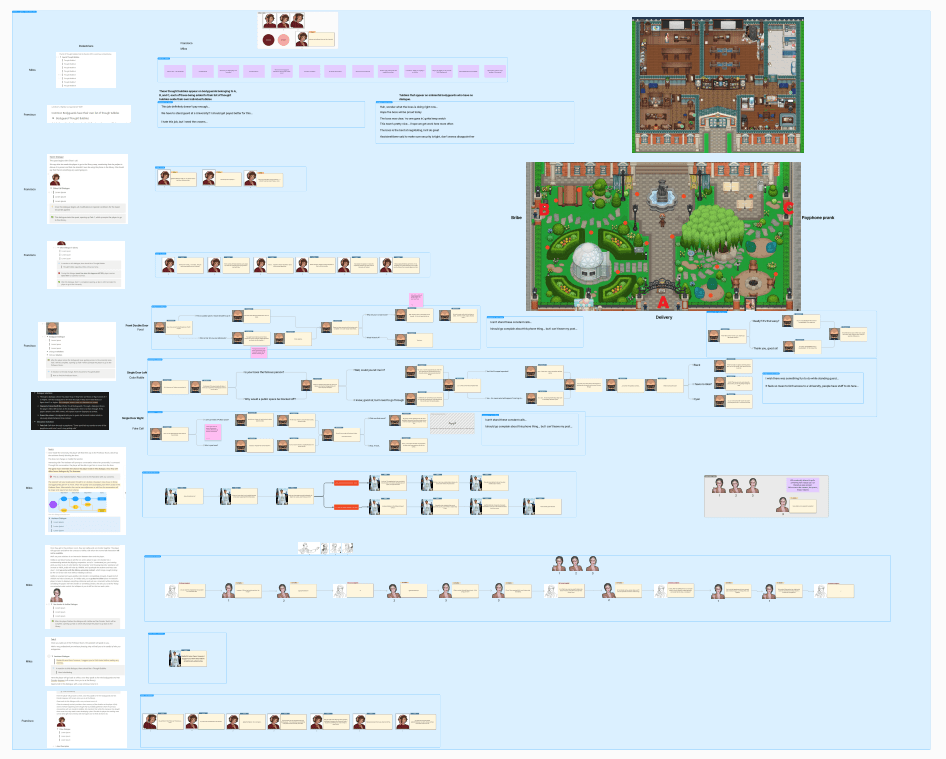
To end this breakdown, I'd like to highlight what was probably the most challenging narrative assignment I worked on during the project: the surprise party sequence that concludes the game's first chapter. In this scene, the residents of Little London gather to welcome the player into the community, creating an important emotional payoff after hours of quests, conversations, and relationship building.
Because the sequence involved a large number of characters written by different members of the narrative team, it required close collaboration and coordination. We worked together to ensure that each character's dialogue remained consistent with their established personality while also contributing to the larger purpose of the scene. Much of the process felt like assembling a puzzle, where individual character moments, narrative threads, and player relationships had to fit together.It was a demanding task, but also one of the most rewarding. The sequence brought together many of the narrative elements that had been developed throughout the chapter, resulting in a memorable moment.
This portfolio entry contains materials related to my work on Little Sim World. All project assets and intellectual property remain the property of their respective owners.



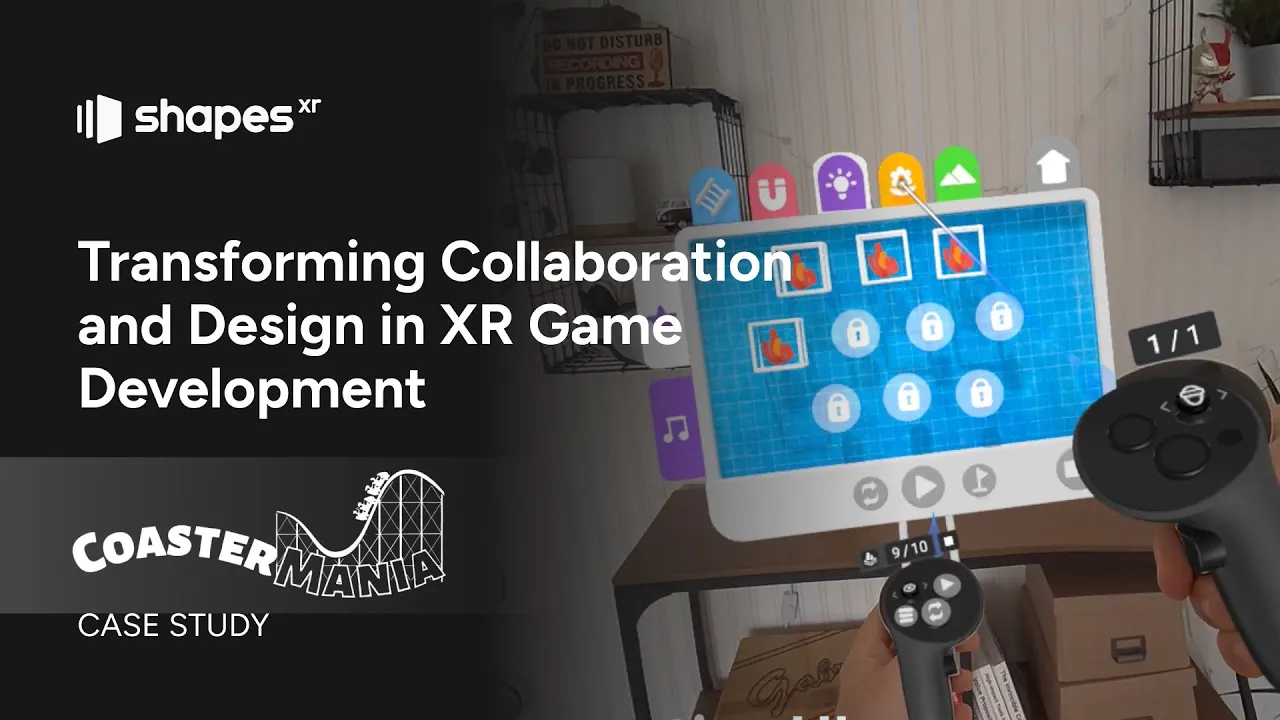
Working on CoasterMania was an opportunity to collaborate closely with Stephen Rogers, who is just a VR/XR genius. His speed and technical expertise in development shaped a lot of the production process.During development, I learned to use ShapesXR as a tool for VR/XR gameplay ideation, rapid prototyping, and playtesting. At the time, the idea of designing levels directly inside a virtual environment blew my mind, but I quickly got the hang of it and it became an essential part of my workflow.
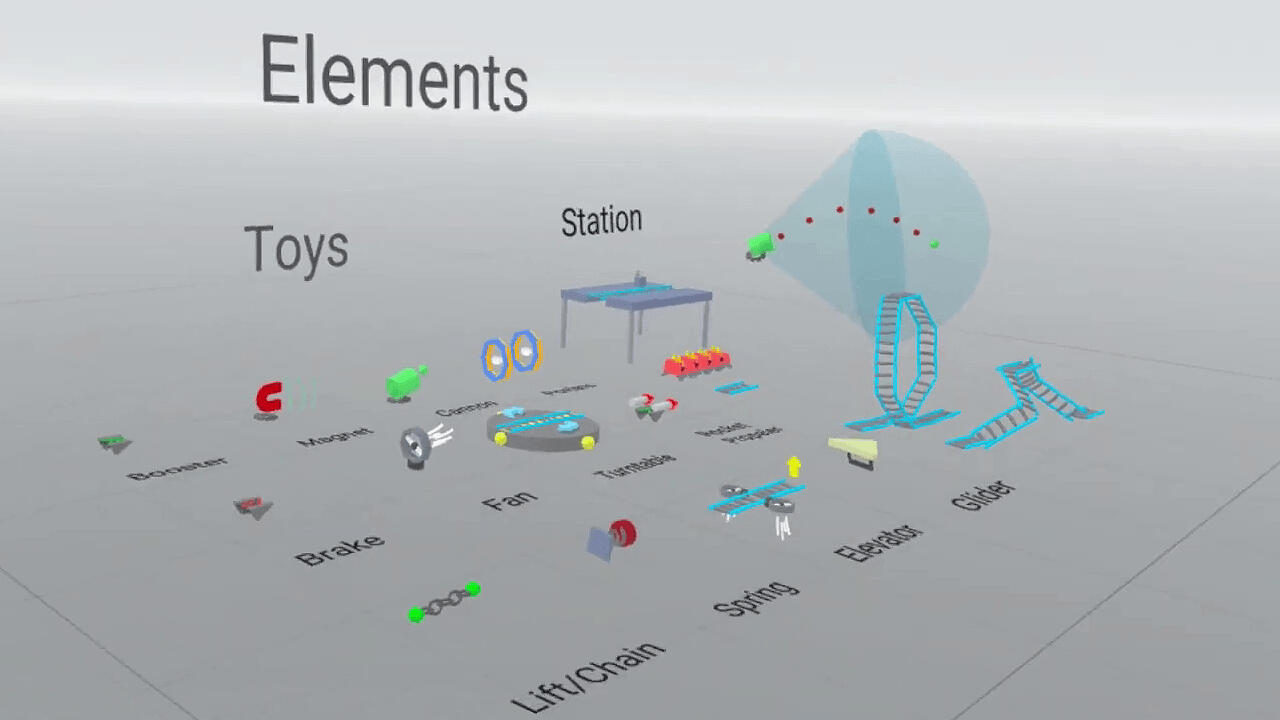
From a game design standpoint, my role focused on ideating, testing, and iterating many of the gameplay elements players would unlock throughout the campaign. These included mechanics and tools such as the cannon, fan, magnet, elevator track, glider, lazy susan, rocket, and portals.
I also helped design the different rings used throughout the levels. Rings acted as gameplay constraints that forced players to route their rollercoaster through specific checkpoints in order to validate and complete a stage. This mechanic became an important part of how progression, puzzle solving, and traversal were structured across the campaign.
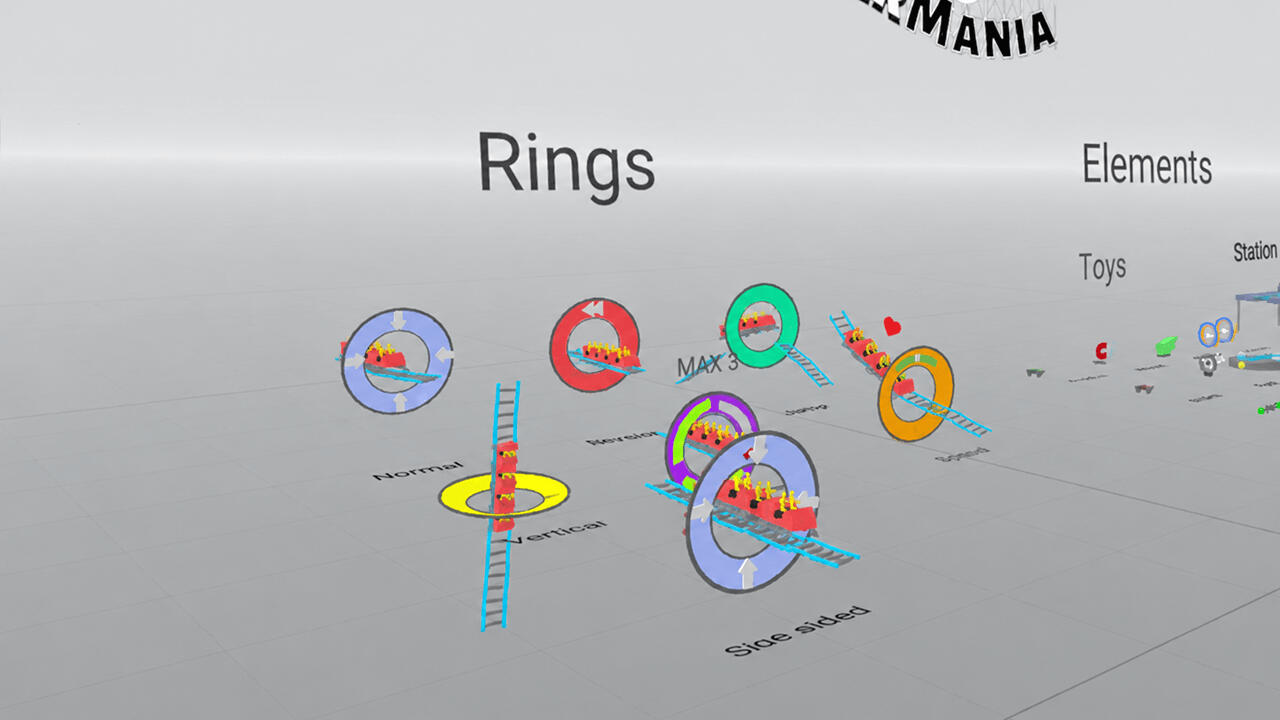
Some of these concepts evolved significantly during development, while others were ultimately cut from the final release, but all of them helped shape the experimentation and creative direction of the game.My work also focused heavily on level design and gameplay iteration. Using ShapesXR, I brainstormed mechanics, built and tested interactive spaces directly in VR, and refined player flow before levels were transferred into Unity for final art polish and implementation.
One of the first tasks during production was defining, together with Stephen, the maximum dimensions that campaign levels could occupy. Once those boundaries were established, I began greyboxing levels entirely inside the ShapesXR virtual environment. Designing spaces at full scale while physically standing inside them was a completely different experience from traditional level design workflows and fundamentally changed how I approached spatial iteration.
To speed up production, I created a portable toolbox palette that allowed me to quickly assemble and modify graybox layouts while working in VR. After building an initial layout, I used the stroke tool to simulate the rollercoaster track path and iterated on pacing, readability, and traversal flow directly inside the headset.
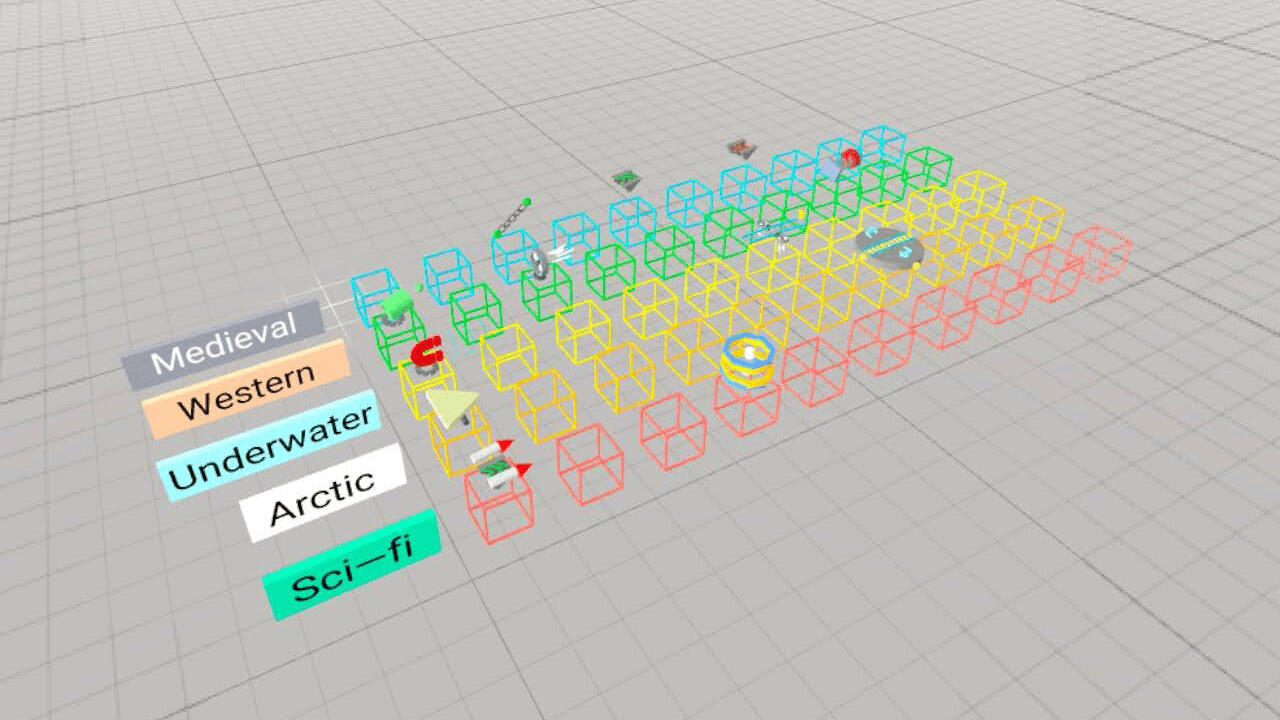
Over the course of development, I designed and produced 50 levels across 5 distinct biomes, balancing challenge progression, readability, pacing, and replayability for VR players.The collaboration and workflow behind the project were later highlighted in an official ShapesXR case study for CoasterMania VR, showcasing how VR-native prototyping accelerated iteration and production.
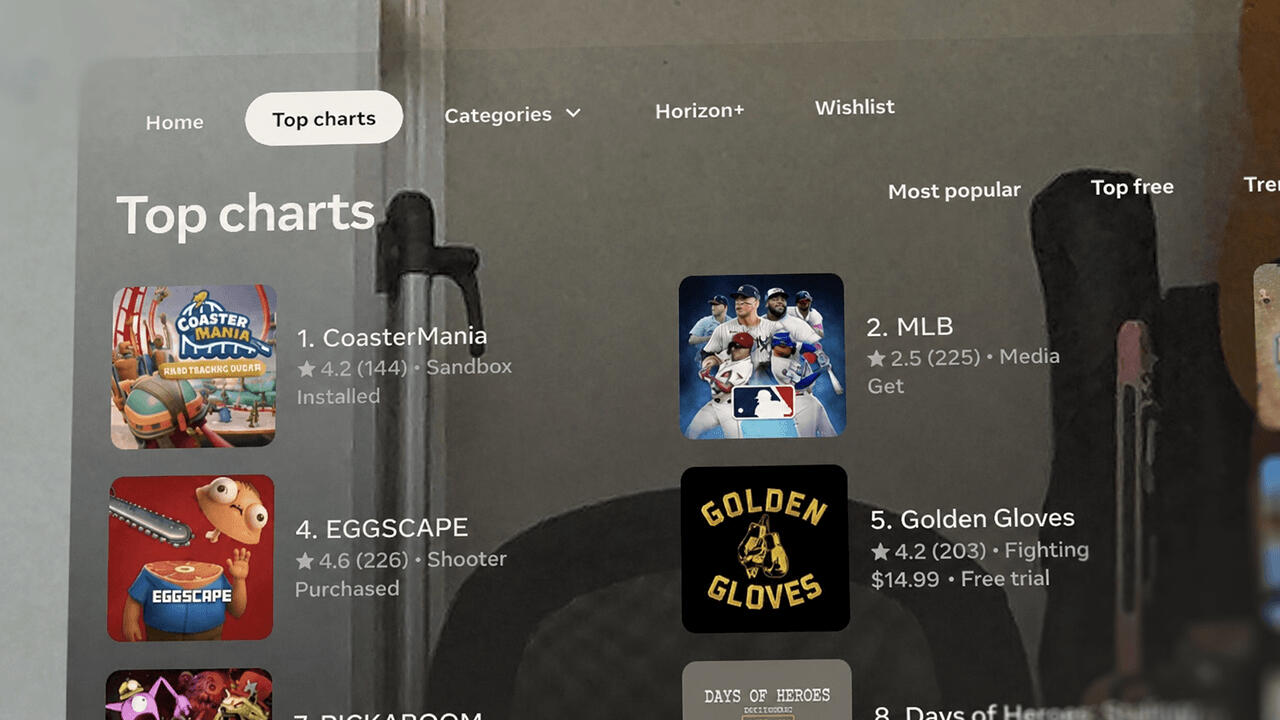
The game also achieved strong visibility on the Meta ecosystem, appearing in the Meta Quest Store Top Charts.
In the end, I feel very proud of my contribution to this project and of everything we were able to accomplish throughout development.
Collaborating with Stephen Rogers was also one of the highlights of the experience for me. I consider him one of the biggest innovators in the VR/XR space, and working alongside him taught me a tremendous amount about rapid iteration, immersive design, and creative problem solving in VR.
This portfolio entry contains materials related to my work on CoasterMania. All project assets and intellectual property remain the property of their respective owners.



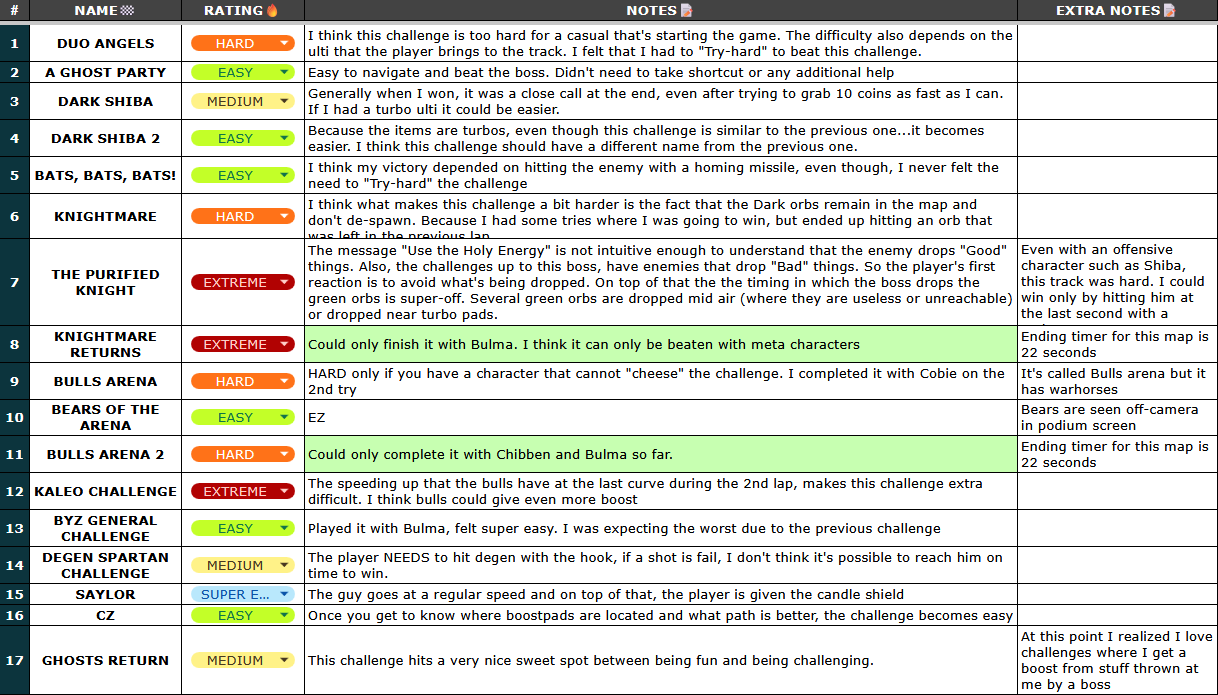
At Oh Baby Games, I was initially hired as a Game Designer, but my role quickly expanded into several areas of development. Like many small and mid-sized studios, the team valued versatility, which gave me the opportunity to contribute not only to game design, but also to QA and even some marketing materials, were I could even put my audiovisual production background into use.In game design, I contributed to Oh Baby Kart, Torii: Beyond The Gates and two additional projects that remain unannounced.For Oh Baby Kart, I worked on power-up design, challenge creation, gameplay balancing, and playtesting. Throughout the alpha phase, I participated in testing sessions, gathering feedback and adjusting mechanics to improve balance and player experience.
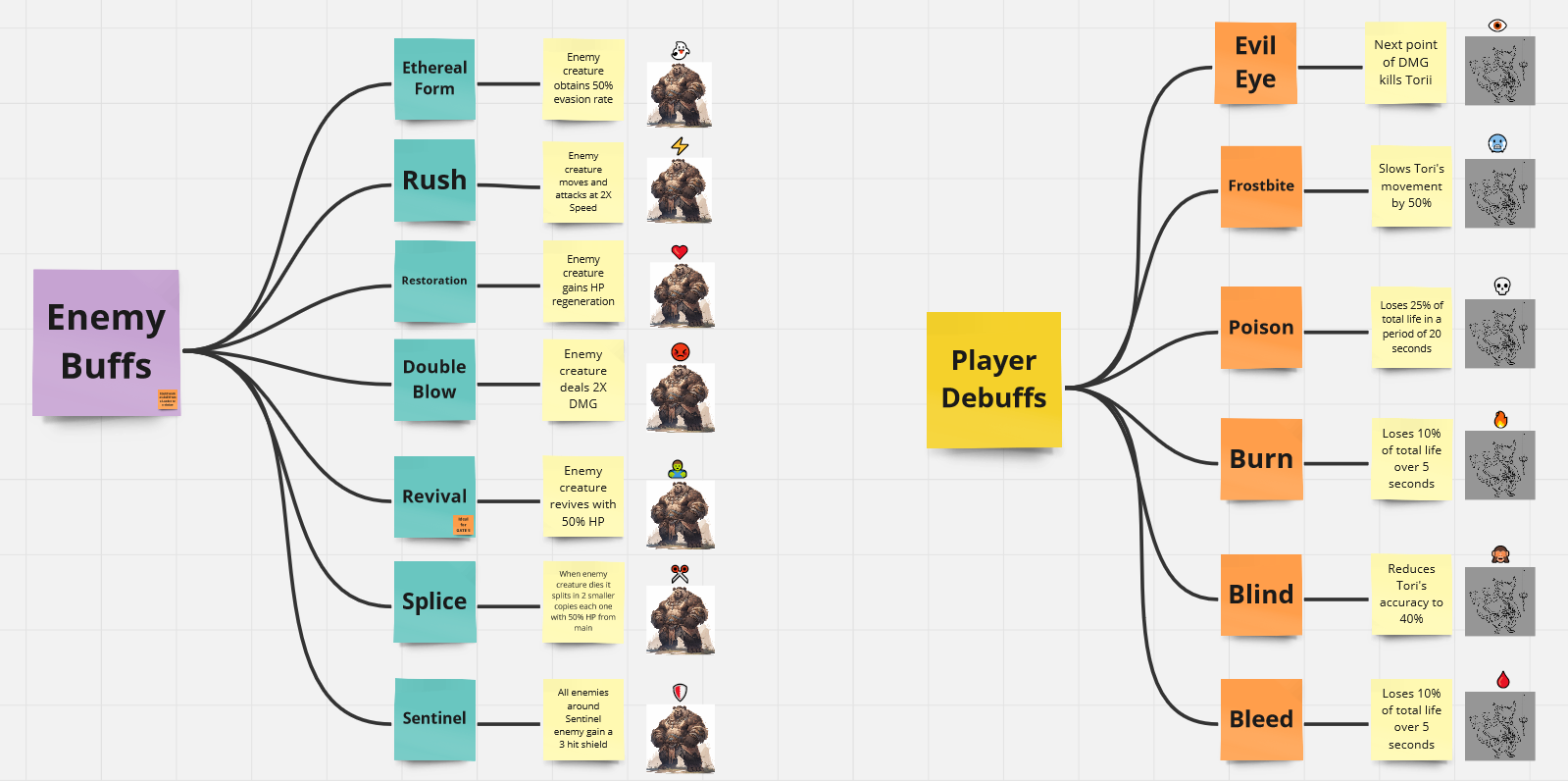
For Torii, a metroidvania with a strong emphasis on exploration and character-driven presentation, I worked closely with the project's lead designer to help define the player's moveset, abilities, navigation systems, and progression pacing across the game's interconnected world.
In addition to my design responsibilities, I was heavily involved in QA for both Oh Baby Kart and Torii. My work included testing the complete player experience, from launcher functionality and technical performance to individual levels, challenges, and mini-games. I documented issues, verified fixes, and collaborated with the development team to help ensure that features met quality standards and were ready for release.
As a bonus, I also had the opportunity to contribute to Oh Baby Kart's Steam page. Drawing from my background in audiovisual production, I created two call-to-action GIFs and a promotional GIF mosaic for the storefront. The assets were designed and animated in After Effects, then optimized to meet Steam's technical requirements and best practices.
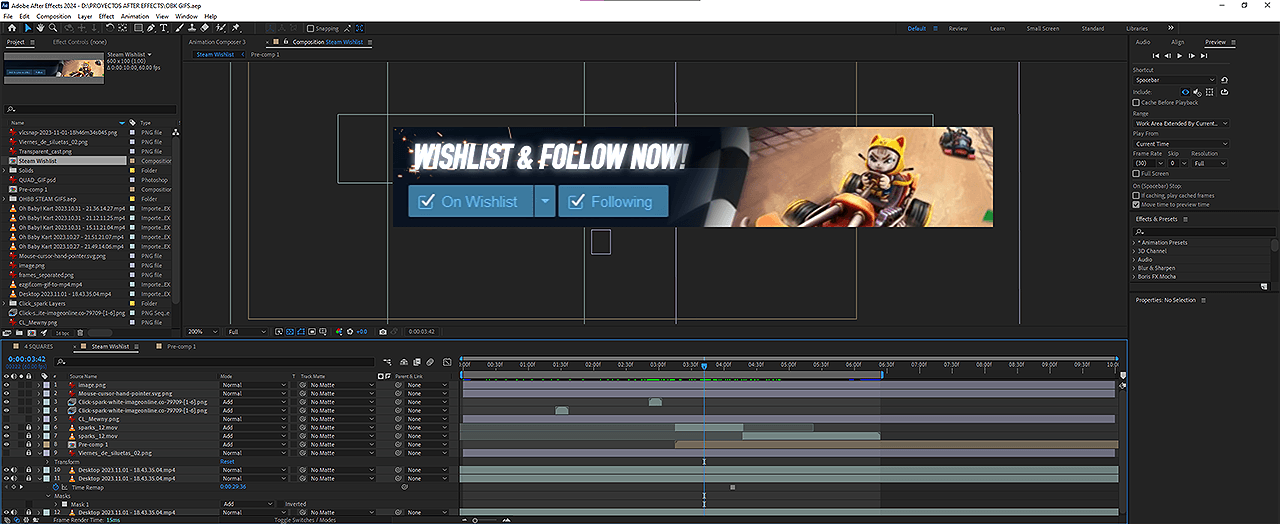
For the gameplay-focused GIFs, I was also responsible for capturing the footage, selecting the most representative gameplay moments, and optimizing the final files using ScreenToGif and FFmpeg to achieve a balance between image quality, file size, and loading performance on the Steam page.
This portfolio entry contains materials related to my work on Oh Baby Games. All project assets and intellectual property remain the property of their respective owners.
Ninja Sequence is one of the games I'm most proud of, particularly because of its core mechanics. The concept originated during my time as a college student studying video editing and audiovisual production. I spent countless hours working with editing timelines, arranging clips, and refining sequences frame by frame.When I later began developing games, I became interested in exploring how those video editing concepts could be translated into gameplay. I wanted to create a platformer where players could plan actions on a timeline, much like editing a video, and then watch the sequence play out.The result was Ninja Sequence, a game that combines timeline-based planning with platforming challenges, allowing players to choreograph their character's actions before executing them in real time.